Educational information
GLP-1 treatments we can help you get evaluated for
Semaglutide
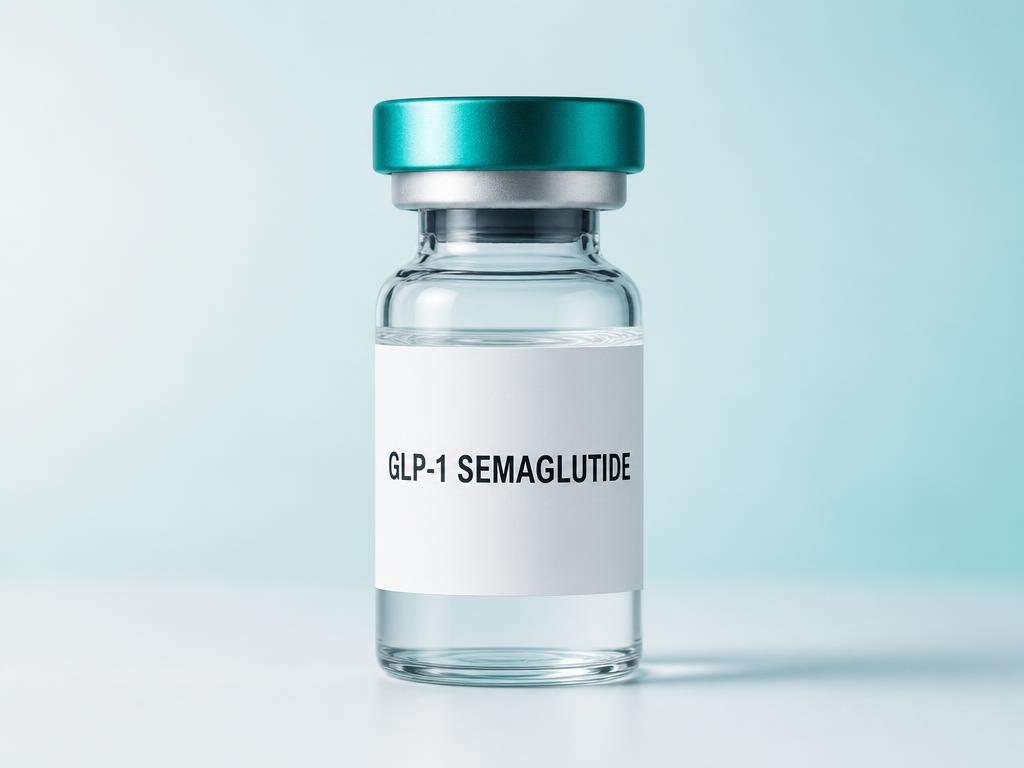
What it is
A GLP-1 receptor agonist. It mimics the GLP-1 hormone the body naturally produces.
How it works
It helps regulate appetite and food intake and slows gastric emptying, and it supports blood-sugar regulation. Clinicians prescribe it for eligible adults for type 2 diabetes management and, in appropriate cases, chronic weight management.
How it's taken
Typically a once-weekly subcutaneous injection, with dosing determined by the prescribing provider.
Who it may not be for, and what the provider screens
The reviewing provider will screen your history, including things like a personal or family history of medullary thyroid carcinoma or MEN2, history of pancreatitis, pregnancy or breastfeeding, and current medications.
Common side effects
Nausea, vomiting, diarrhea, constipation, and abdominal discomfort are among those reported. This is not a complete list. Discuss all risks with your provider and report unusual reactions immediately.
Tirzepatide
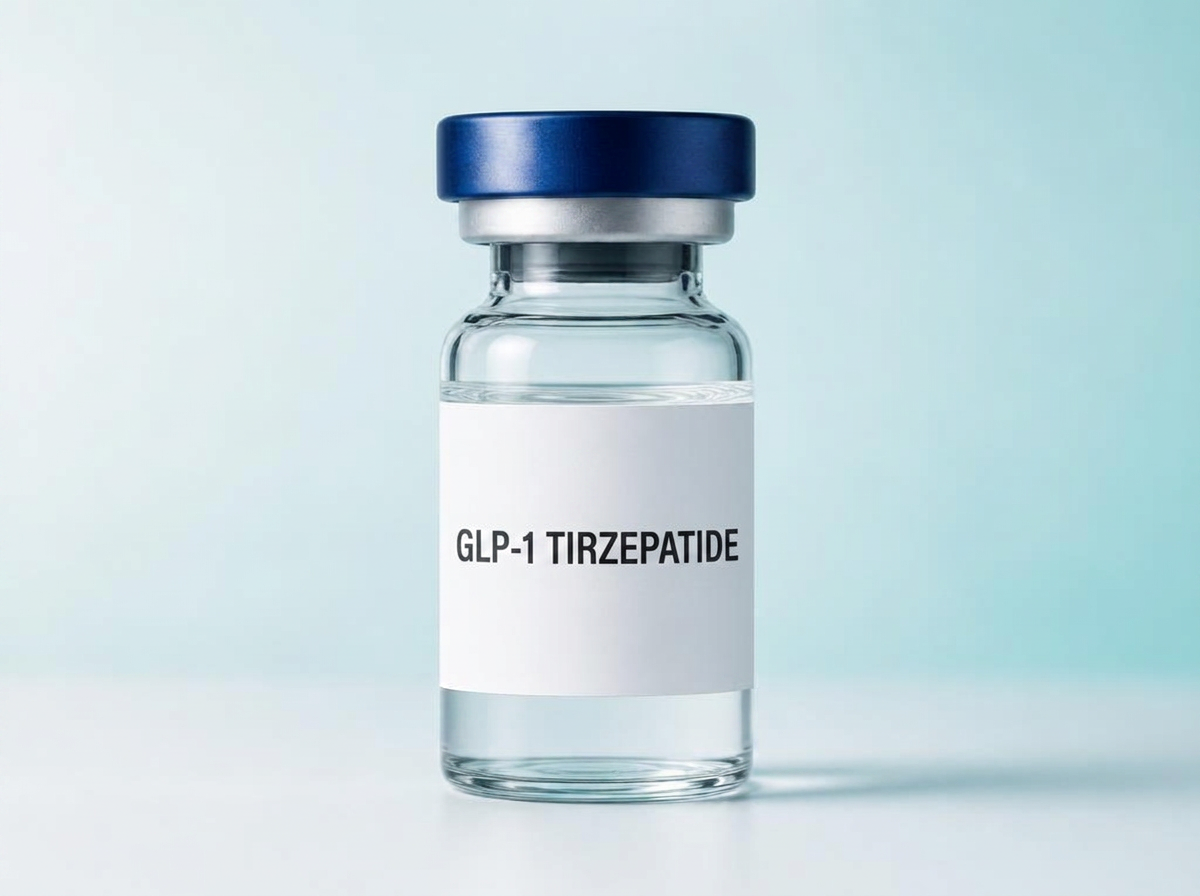
What it is
A dual GIP and GLP-1 receptor agonist.
How it works
It acts on two gut-hormone receptor pathways involved in appetite regulation and blood-sugar control.
How it's taken
Typically a once-weekly subcutaneous injection, with dosing determined by the prescribing provider.
Who it may not be for, and what the provider screens
The reviewing provider will screen your history, including things like a personal or family history of medullary thyroid carcinoma or MEN2, history of pancreatitis, pregnancy or breastfeeding, and current medications.
Common side effects
Nausea, diarrhea, decreased appetite, vomiting, constipation, and abdominal discomfort are among those reported. This is not a complete list. Discuss all risks with your provider and report unusual reactions immediately.
Start your evaluation
A licensed provider reviews your intake and issues a prescription only when it is clinically appropriate. Completing an intake does not guarantee a prescription.
A doctor may request a video call if needed.
Prescription-only medication. Provider evaluation required. Adults 18+. Available in 49 U.S. states.